
Reliable antimicrobial dressings for chronic wounds.

FeynMed Solutions develops nanocrystalline silver wound dressings for burns, surgical wounds, and chronic wounds such as diabetic foot ulcers and pressure ulcers. We are developing technology to fight infection-causing microbes, reduce inflammation, and preserve healthy tissue, without driving antimicrobial resistance.

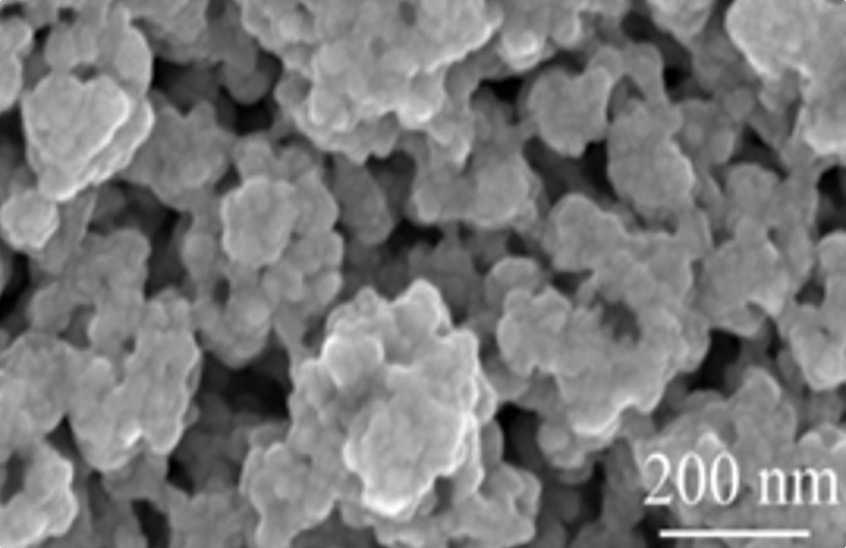
Scanning electron micrograph of FeynMed's nanocrystalline silver, showing clustered nanoscale crystals against a 200 nanometre scale bar
Nanocrystalline silver, imaged by scanning electron microscopy. Scale bar: 200 nm.

“There's Plenty of Room at the Bottom.”

Richard Feynman · 1959

FeynMed Solutions is named after the physicist whose 1959 lecture imagined engineering matter at the atomic scale. The Trivera™ wound dressing is built on that idea.

Why this matters

A loss of mobility shouldn't be a death sentence.

A woman in her late seventies underwent a series of joint replacements over a decade. After the last one, she didn't regain mobility. Pressure ulcers and leg ulcers followed. Standard antibiotics couldn't keep up. Both legs were amputated above the knee to control infections the medicine of the day could not.

The amputation sites didn't heal properly. Her bed sores never cleared up. She passed away within two years.

Doctors are forced to amputate because they have nothing strong enough to eliminate the infection while preserving tissue.

Standard antibiotics don't always work. Legacy silver treatments are expensive, inconsistent, and/or ineffective. FeynMed exists to give healthcare teams a more effective antimicrobial wound dressing — one that's gentler on the patient and doesn't contribute to antimicrobial resistance.1
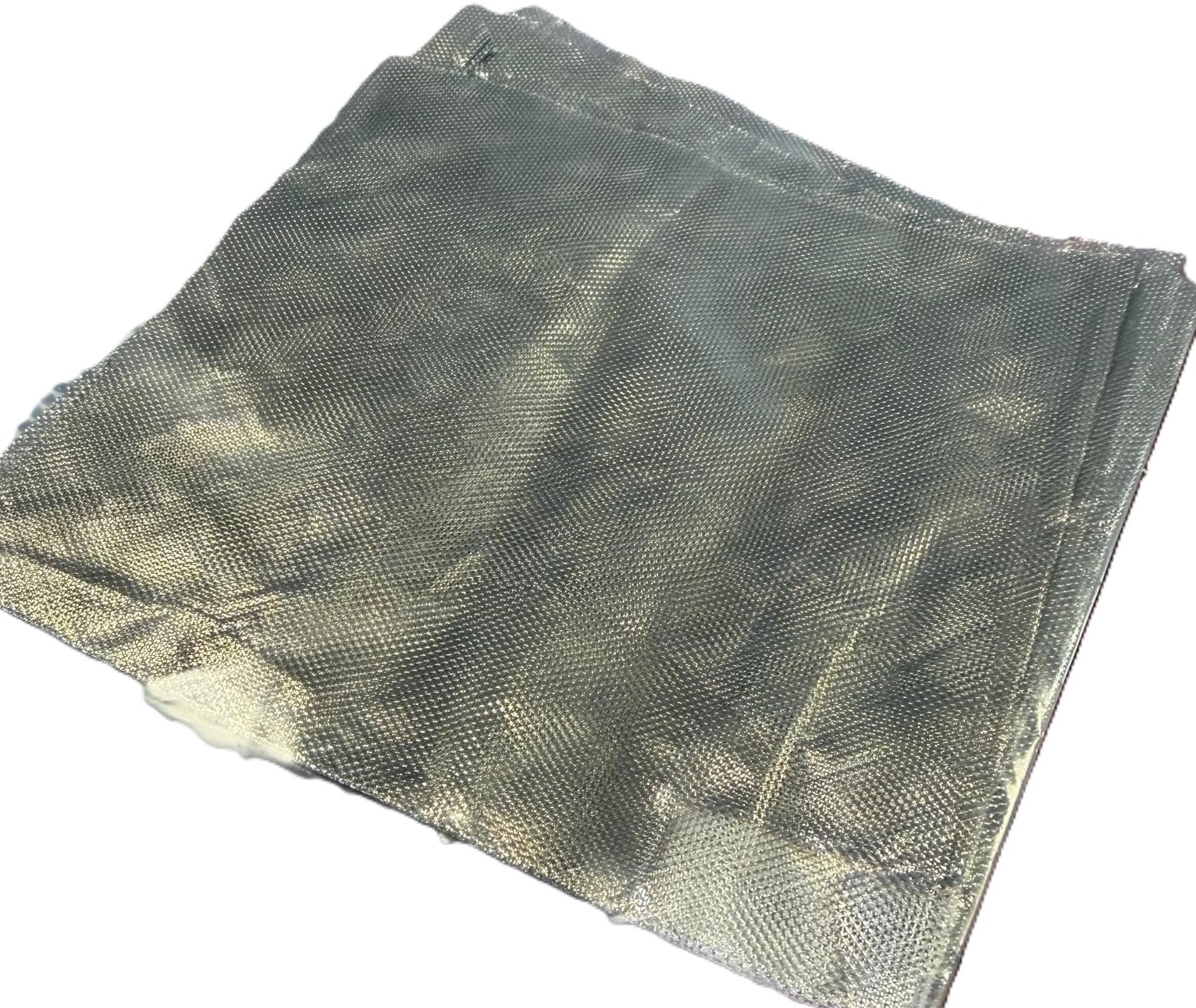
Meet the Trivera™ wound dressing.

An antimicrobial silver dressing built for wounds where standard treatments fall short.

The Trivera wound dressing
Diabetic foot ulcersDiabetic foot ulcers are among the most stubborn and costly wounds in modern care. Persistent infection drives non-healing and, too often, amputation — after which five-year mortality exceeds 70 percent.2
Pressure ulcersPressure ulcers are bed sores in immobile patients, where standard treatments often fall short. Infection can turn deadly: septicemia is reported in roughly 40 percent of pressure-ulcer-associated deaths.3 This is the wound type at the center of the story above.
Surgical sitesSurgical site infections are the most common preventable complication after surgery, occurring in 2 to 4 percent of inpatient procedures, and are the leading cause of readmission afterward.4
BurnsInfection is implicated in 42 to 65 percent of burn deaths. Resistant organisms accumulate the longer a patient stays in hospital, rising from 6 percent of isolates in the first week to 44 percent after four weeks.5

How nanocrystalline silver compares.

Published in vitro data on E. coli, comparing nanocrystalline silver against four other commercially available silver treatments.6 The study itself is broader: it tested nine antimicrobial products against 17 clinically relevant microorganisms.

Antimicrobial activity on E. coli, by log10 reduction after 30-minute exposure
01234567Log₁₀ reduction after 30-min exposure99.99% kill threshold0.92.11.10.96.1SilvernitrateSilversulfadiazineActisorbSilverSilverlonNanocrystallinesilverCommercially available silver treatments

Source: Gallant-Behm, C. L., et al. Wound Repair and Regeneration (2005). DOI: 10.1111/j.1067-1927.2005.130409.x.

The 99.99% kill threshold corresponds to a 4-log10 reduction in viable bacteria. The Trivera™ wound dressing will be built on the nanocrystalline silver technology shown in the right-most bar; the other silver treatments in the study did not reach the threshold under the same conditions.

Updates from the lab and the regulatory desk.

Occasional, plain-language updates from FeynMed. The science behind the Trivera™ wound dressing, our regulatory progress, and the milestones that bring it closer to the bedside.

Subscribe to the newsletter

Opens FeynMed News on Ghost. No spam. Unsubscribe anytime.